Primary page content
Learn Graphic Design: 10 Simple Steps for Beginners to Succeed
To be a graphic designer, all you need is a creative and curious mind thriving with original ideas, good judgment, observation, and patience. Stepping into the world of graphic design can be both exciting and overwhelming, as the designing world offers boundless opportunities and numerous skills to master. To lead you the way through the initial stages of your graphic design journey, we have compiled a list of things you need to know as beginners. Whether you are enrolled in an art school, want to begin graphic design courses after 12th or are just starting, here are 10 tips that will guide you in developing your design skills effectively.
- Understand the basic fundamentals of design
- Understand the basic fundamentals of design
- Understand the basic fundamentals of design
As
a beginner, you will need knowledge of the basic fundamentals of design, which
will help you build a strong foundation
in graphic design. Start by learning the components of design, understanding the basics of effective design, and finding
out ways of creating visually attractive
and cohesive designs. Through application of these fundamentals, you will
develop the ability to convey ideas clearly, capture attention, and produce
designs that deeply resonate with the target audience.
- Focus and explore Color and Typography
For Graphic designing, Color and Typography become significant elements of design which need special attention and focus.
Let's talk about Color theory
Color theory involves the categorization of colors which you can find in the color wheel which enables designers to understand the concepts of primary, secondary, complementary, and contrasting colors, as well as the tones. If we go deeper into the evolving field of color psychology, it explores human reactions to color which play a key role in Graphic Design Course.
If
you look into the distinction of
Typography then you will understand how it plays a crucial role in graphic design courses, particularly in conveying marketing messages.
To select the most suitable font, you need to know it's important to grasp
their distinct qualities, characteristics, and concepts. This empowers
designers to adjust fonts according to their requirements and even potentially
create custom fonts in the future.
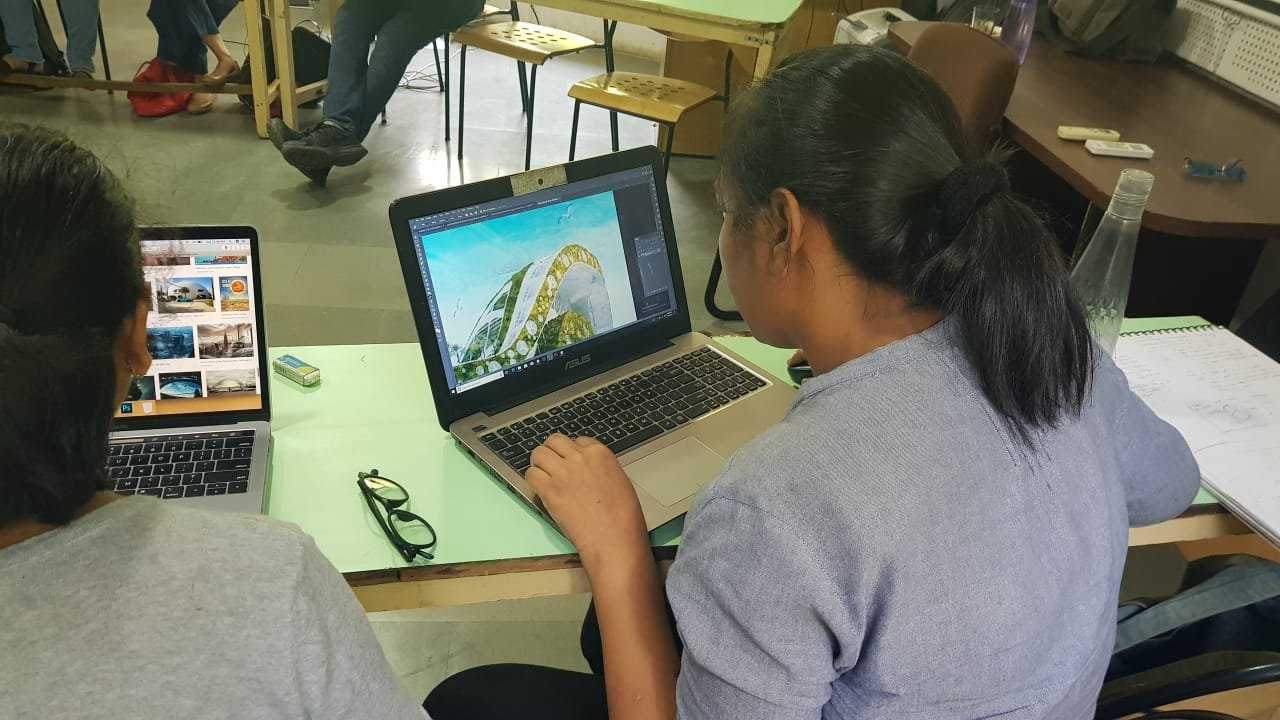
- Learn few graphic design software
Design
software heavily influences graphic design. You need to select a design program
that matches your interests and professional aspirations, like Adobe Photoshop,
Illustrator, or InDesign. Invest time in becoming an expert in your chosen
program by practicing tutorials, working on practice projects, and engaging in
hands-on experimentation. You should master at least one of these tools to
effectively bring your design concepts to life.
- Become a student of a Graphic Design Course
To
improve your educational journey, you should consider doing an investment in a
well-organized graphic design course. You can enroll in a course that will
grant you access to an effective curriculum, professional mentorship, and
constructive feedback on your projects. Try to seek out courses provided by
good art institutions which have all the three components mentioned above or
you can go for digital platforms that focus on the areas of design principles
and software proficiency. At SACAC you can find short-term courses in both graphic design online courses and offline courses taught by faculty who are
actively working in the industry. Sri Aurobindo Centre for Arts and
Communication (SACAC) is one of the best graphic design institutes in
delhi.
- Reproduce your favorite work of your favorite designer
Studying
designs that inspire you is a great way to improve your skills. Select designs
that inspire you and try to attempt to recreate them with as much accuracy as
possible. This practice will allow you to grasp the techniques better and
automatically it will enhance your abilities. This is the best way to really
learn the basics of graphic design, before you can start experimenting
creatively.
- Practice is the best of all instructors
Developing
design skills requires consistent practice. You need to practice more to refine
the techniques, experimenting with new ideas, and developing a unique style.
Try allocating time each week to work on design projects, whether they are
personal, academic, or freelance. The more you practice, the more confident and
skilled you will become.
- Keeping up with Trends
You
should follow influential designers and industry leaders to stay updated with
the latest design trends and techniques. A lot of them offer valuable insights,
tutorials, and inspiration on various social media platforms, blogs, and
YouTube which will benefit your design practice. Gaining knowledge from
experienced professionals can offer you new ideas and better understanding of
the design industry.
- Deconstruct the Process
Examine
the methods utilized by your favorite designers or designers who inspire you.
Try to deconstruct their approach to problem-solving, layout, color usage, and
typography. It will help you to gain insight into their design process. After
analyzing these components, you can acquire valuable skills which you implement
in your own practice.
- Networking
Building
a network is crucial for any creative career. You can connect with fellow
designers by joining art institutions, participating in online sessions, talks,
engaging with design communities. Interacting with peers in this field will
give you fresh viewpoints and increase your chances for collaboration and
important industry knowledge. You can
participate in graphic design events, workshops, and conferences happening in
your areas, in the graphic design colleges in India , outside India or online to expand your
connections.
- Passion Project
A
passion project is a personal design project that showcases your personal
interests, imagination and creativity. It serves as an excellent opportunity
for fresh concepts, to trial different methods, and to build your portfolio.
You can select a project that sparks your enthusiasm, whether it's a branding
idea, a personal artwork, or a web design, and commit time to turning it into
reality.
Starting is perhaps the most essential tip. You
should not wait for the ideal moment or a perfect concept. Initiate with small
steps, explore, and acquire knowledge as you progress. One of the significant
aspects of achieving success in graphic design is to take that initial stride
and consistently enhance your skills through practice and creative thinking. By
following these tips, you can establish a solid base, improve your skills, and
build the self-assurance necessary to excel in this evolving industry.
Keep in mind that every designer begins as a
learner, only with commitment and enthusiasm, one can transform their artistic
dreams into actuality.


